
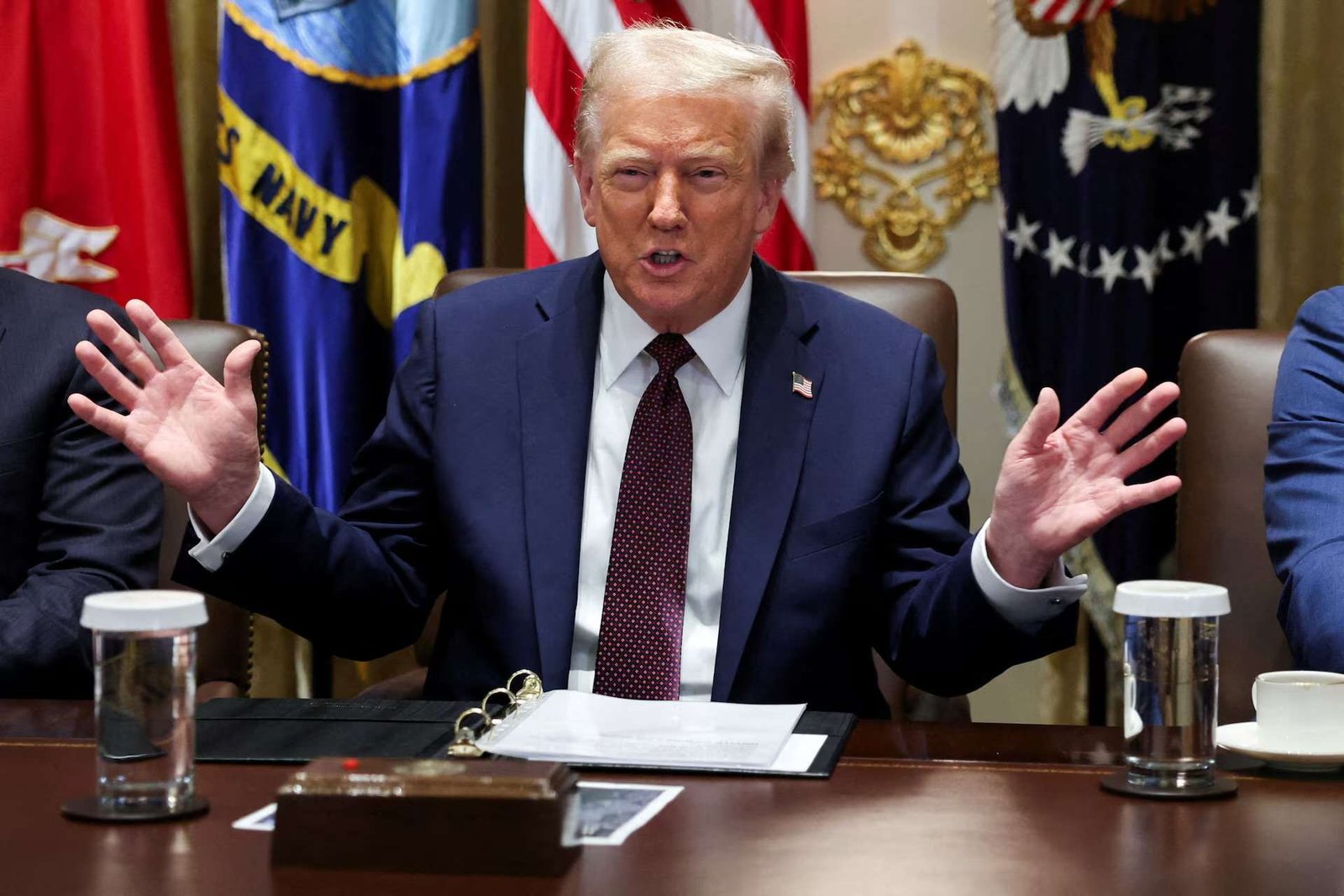
Sri Lanka among 60 economies hit by new US tariffs
Sri Lanka is among 60 trading partners facing new United States import tariffs ranging from 10% to 12.5%, which are scheduled to take effect today,
A notice issued by the Office of the United States Trade Representative (USTR) said that Sri Lankan goods entering the United States will be subject to a 10% tariff from Friday under a new trade measure announced by President Donald Trump’s administration.
According to the USTR, Sri Lanka qualifies for the lower tariff rate because it has adopted, partially implemented, or committed to enforcing restrictions on imports linked to forced labour.
The USTR said 10% was the appropriate rate for economies that have committed to or imposed forced-labour import prohibitions.
“10 percent is the appropriate rate of Section 301 duties for investigated economies that (i) impose a forced labor import prohibition; (ii) have committed to impose and enforce such a prohibition through an Agreement on Reciprocal Trade; or (iii) have imposed a partial regime with the effect of preventing the importation of certain forced labor good,” the notice said.
US Trade Representative Jamieson Greer said the tariffs, ranging from 10% to 12.5%, were intended to address forced-labour violations among trading partners.
Sri Lanka joins countries including India, Bangladesh, Pakistan, Canada, Mexico, Malaysia, Indonesia and the United Kingdom in facing the 10% rate. Products from the European Union and Taiwan will also be subject to a 10% tariff.
Meanwhile, 41 trading partners deemed not to have adopted such restrictions will face a higher tariff of 12.5%. These include China, Japan, Singapore, Australia, South Korea, Thailand, Vietnam and several Middle Eastern countries.
The Trump administration has moved quickly to restore the President’s tariff regime after the Supreme Court struck down several duties in February, limiting his ability to impose sweeping levies.
Following the ruling, Trump invoked alternative legal powers to introduce a temporary 10% tariff on imports for 150 days. With that measure expiring on Friday, the new tariffs—first proposed in June—will replace it.
The new tariffs follow an investigation conducted under Section 301 of the US Trade Act of 1974, which allows the administration to impose duties in response to trade practices it considers unfair or harmful.
Sri Lankan President Anura Kumara Dissanayake issued a gazette on July 10, 2026, immediately prohibiting the importation of goods produced wholly or partially using forced labour. The measure followed warnings that Sri Lankan exports could face a 12.5% tariff.
Under the new regulation, importers must submit certified documentation to Sri Lanka Customs proving that their goods comply with the prohibition.
The policy has now enabled Sri Lanka to qualify for the lower 10% US tariff rate, although it could have wider implications for local businesses, manufacturing costs and the country’s export strategy.
Local News
Govt. to amend Ayurveda Act
20 October 2026
PUCSL approves one-hour power cuts for 3 days: Schedule released
19 October 2026
Police seize firearms, ammunition and grenades from cinema hall
18 October 2026
Trending News
SIMs to be deactivated on unregistered new mobile devices from tomorrow
30 September 2020
CSE ASPI touch all-time high of 10,037.61
27 October 2021
Popular actress Sureni Senarath passes away
26 May 2021